GwL co-convenes World Health Assembly side event on gambling
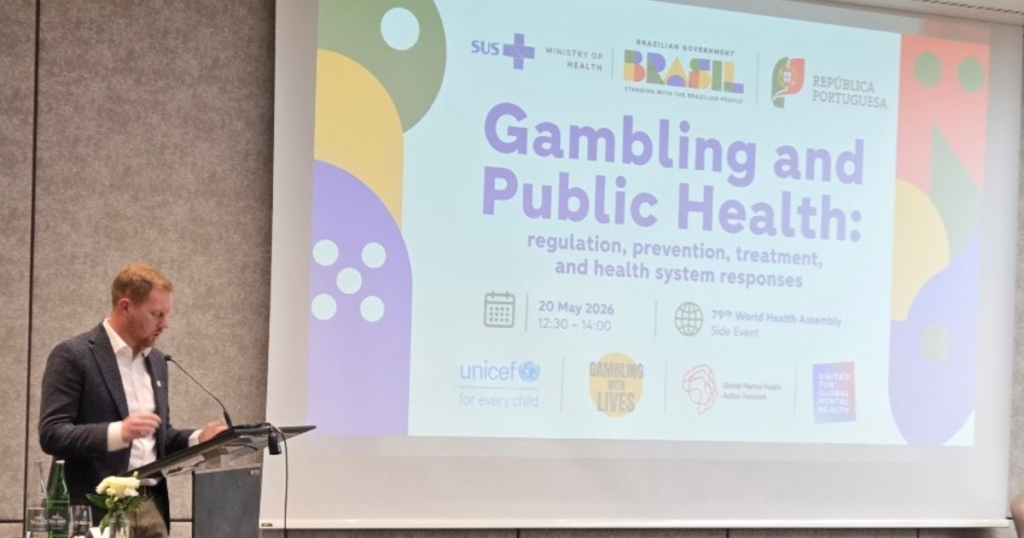
On May 20, with the Government of Brazil and with support from the Government of Portugal, GwL co-convened a side event on gambling and public health at the World Health Assembly (WHA) in Geneva.
The event, which brought together ministers, diplomats, researchers and public health professionals from around the world, highlighted growing international recognition of gambling harm as a public health issue and underscored the need for greater action to prevent harm and save lives.
The World Health Assembly is the annual meeting of the World Health Organization (WHO), bringing together governments and health leaders from across the globe. While gambling is not currently part of the WHO's formal programme of work, there is increasing discussion among researchers, policymakers and Member States about the need for greater public health engagement on gambling-related harms.
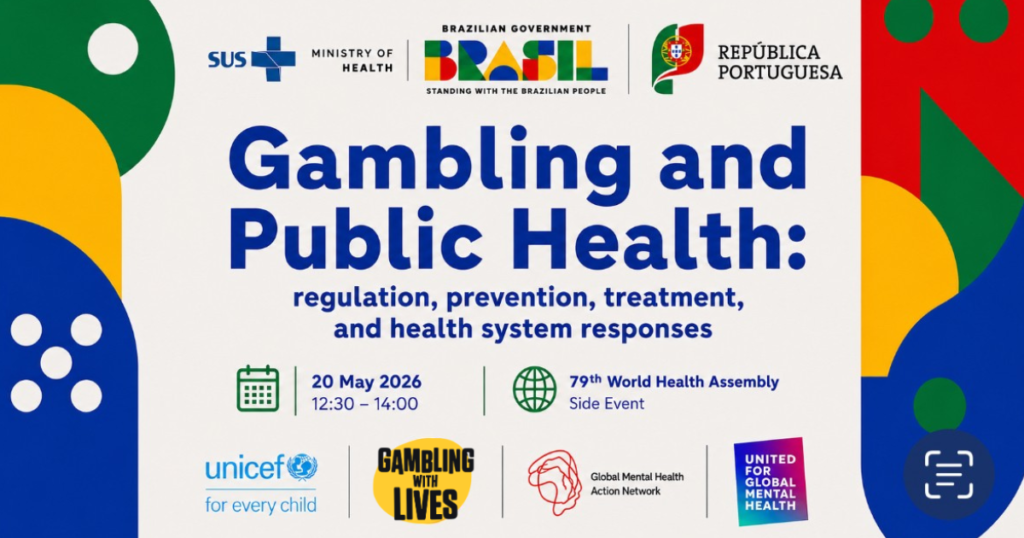
The side event brought together representatives from governments, international organisations and public health bodies to discuss how countries can better prevent and respond to gambling harm, including gambling-related suicide. It also represented an important step towards building the international consensus and leadership needed for formal WHO engagement on gambling in the future.
Among those participating were Brazil's Minister of Health, Alexandre Padilha, and Portugal's Ambassador to the United Nations in Geneva, João António da Costa Mira Gomes.
Liz Ritchie MBE, co-founder of GwL, spoke about the experiences of families bereaved by gambling-related suicide and why lived experience must remain central to efforts to reform gambling systems and prevent harm.
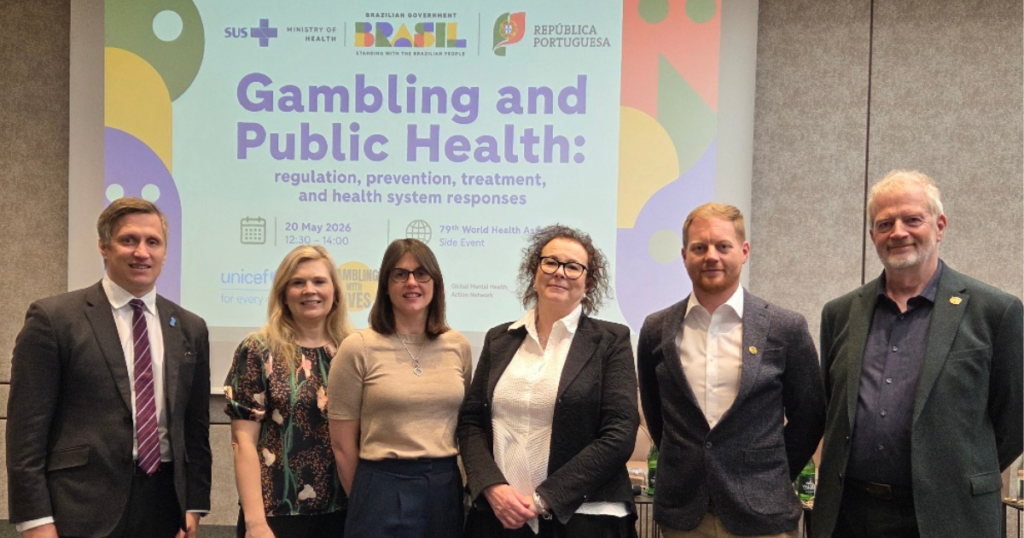
Liz said to delegates:
"As parents we thought we knew the things to warn our children about – drugs, alcohol, road safety, sexual predators. But we didn't know that there was a different kind of predator around with poisonous toys with flashing lights and pretence at friendship."
Liz also challenged the idea that addiction is accidental or confined to a small number of people:
"Products are designed to be addictive and addiction is central to the industry's business model. These products behave in exactly the way they are intended to, and anyone can be addicted."
The event also featured contributions from Chapter One Director James Grimes, internationally recognised gambling harms researcher Dr Heather Wardle, and a pre-recorded message from Harry Levant, Director of Gambling Policy at the Public Health Advocacy Institute in Boston, United States.
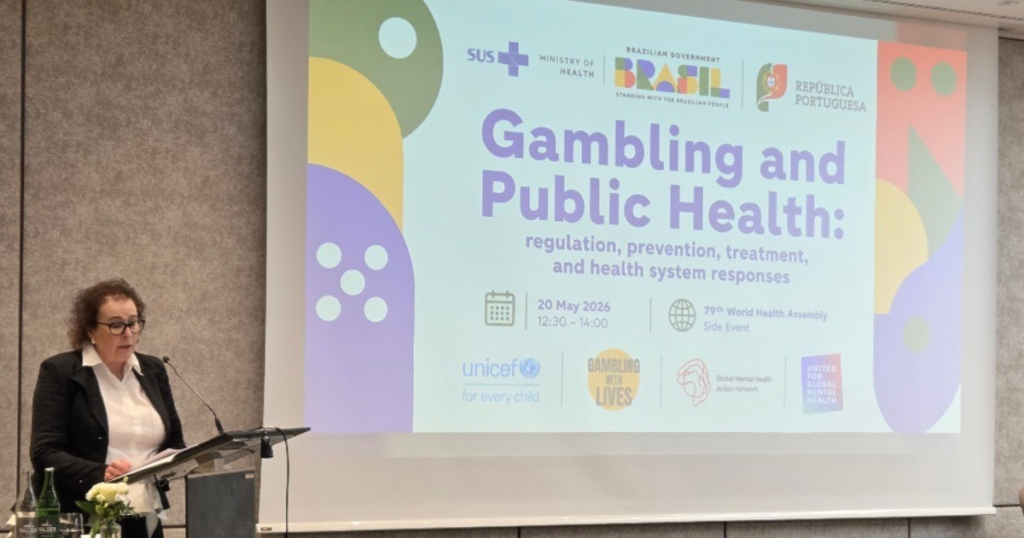
Drawing on his own experience of a 12-year gambling addiction, James spoke about the need to move beyond narratives that place responsibility on individuals and instead recognise gambling harm as a public health issue.
James said:
"We named it Chapter One because we need to rewrite the story of gambling. Because for way too long, the story has been telling people to 'gamble responsibly' and blaming them when they can't. The reality is gambling harm is not about personal failure."
Discussions throughout the event reflected growing international recognition that gambling harms require coordinated action from governments, health systems and public health institutions. Representatives from organisations including UNICEF explored how health services can better recognise and respond to gambling-related harm.
The World Health Assembly event builds on GwL's growing international engagement. In September 2025, co-founders Liz and Charles Ritchie travelled to Japan at the invitation of the Society Concerned About Gambling Addiction to speak at conferences in Tokyo and Osaka, strengthening relationships with organisations supporting people affected by gambling harm and bereaved families.
Those connections have continued to develop, with Japanese clinicians recently visiting the UK to learn from NHS gambling clinics, while GwL has also contributed to wider international discussions through engagement with the WHO and other global partners, helping to ensure lived experience remains central to debates on gambling reform around the world.
GwL has also contributed to wider international discussions on gambling-related harm through engagement with the WHO and other global partners, helping to ensure that the voices of people with lived experience and bereaved families are heard in debates about gambling reform around the world.
The World Health Assembly side event marked an important milestone in efforts to raise the profile of gambling harms on the international public health agenda. It was the first time GwL had participated in an event at the Assembly, helping to bring the experiences of bereaved families and people with lived experience into discussions involving governments, international organisations and public health leaders from around the world.
For the latest updates, sign up for our newsletter.